
Direct answer
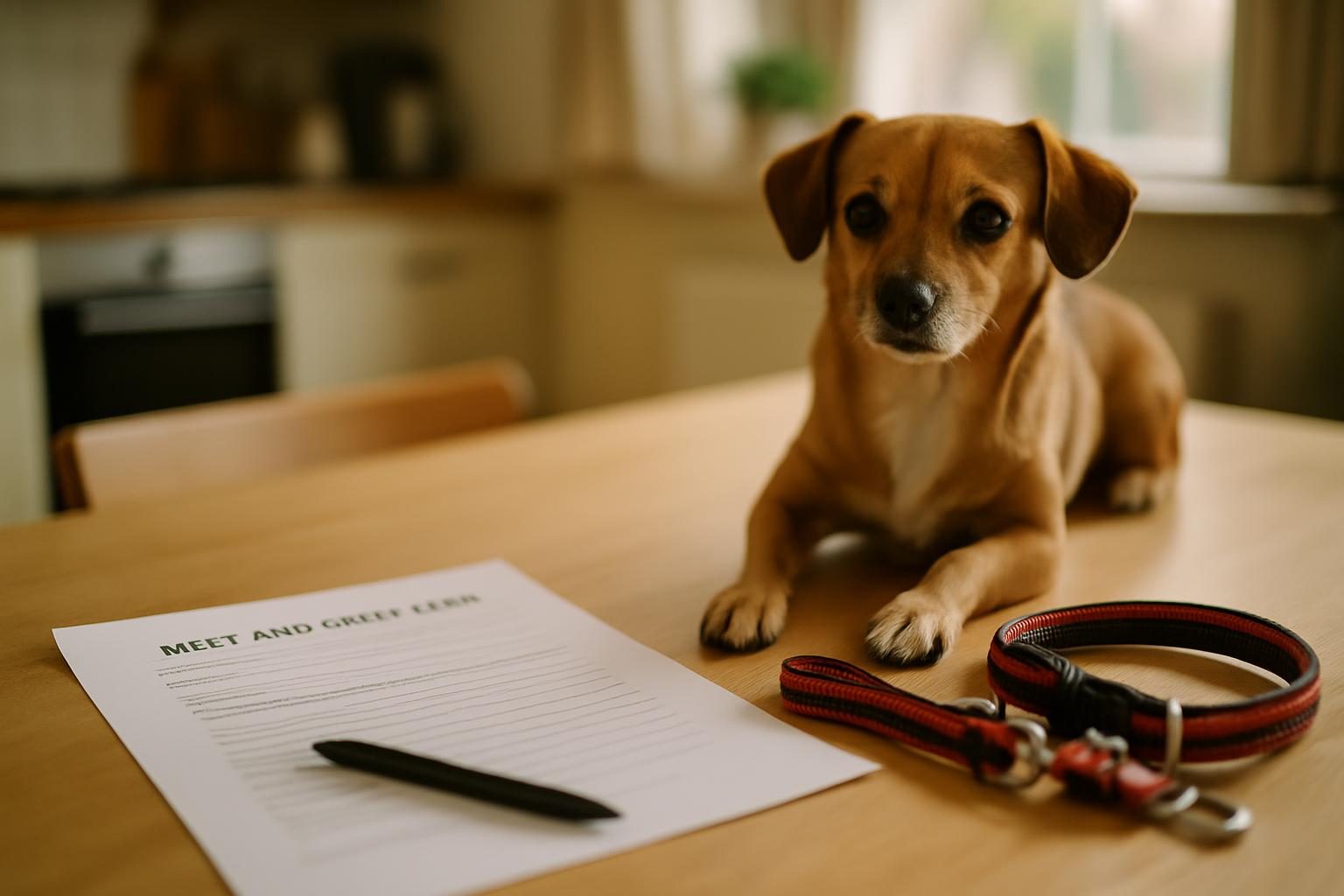
Keep it simple and practical: on one sheet collect owner and emergency contact details, basic dog ID (name breed age and microchip where applicable), vaccination status and vet contact, clear behavioural and health notes, medication instructions, daily routine and feeding, plus signed permissions for emergency treatment, walking and photos. This single-sheet is a practical starting point many home boarders use to run a safe first stay and to show inspectors the key facts quickly. It is not a legal guarantee of compliance. Exact legal or licence requirements vary by nation and local authority and you must check your council and your vet for any additional paperwork they require.
Required versus recommended fields
This section summarises what councils and inspectors commonly ask for. It is not a universal checklist of legal obligations. Local authorities set their own licence conditions and may ask for extra documents such as original vaccination certificates, a separate medication log, cleaning records or booking histories.
(A) Fields commonly required by councils or licences
- Owner name, address and daytime contact number
- Emergency contact (different to owner)
- Dog identification: name, breed, age, sex, neutered status, microchip number where applicable
- Vaccination status: vaccine type and date or note where certificate is kept
- Veterinary practice name and contact number
(B) Fields commonly requested by inspectors but not statutory everywhere
- Behavioural history: any aggression, separation issues, resource guarding
- Escape risk and containment notes
- Walking permissions (on-lead/off-lead) and any geographic limits or byelaw restrictions
- Previous incidents or bans from other kennels/boarders
(C) Recommended business practice fields
- Feeding schedule and dietary needs
- Medication instructions: name, dose, frequency, method of administration
- Daily routine: exercise, sleeping place, toys and comfort items
- Consent checkboxes for photos, transport, emergency treatment authorisation (see caution below)
- Signature and date confirming details were checked at meet and greet
Meet and greet form template for home dog boarding (fields and checklist)
Copy and paste this template into your own document. Mark each field with a tick or short answer and have the owner sign and date at the end. Note which category (A, B or C) each field belongs to — councils may expect some originals to be kept with you or filed elsewhere.
Client and dog details (A)
- Owner name:
- Owner address:
- Owner phone (day):
- Owner phone (evening):
- Emergency contact name & phone (not owner):
- Dog name:
- Breed / colour / identifying marks:
- Age / DOB:
- Sex / neutered yes/no:
- Microchip number (if applicable):
- Veterinary practice and phone:
- Vaccination status: vaccine type/date or location of certificate (original seen? yes/no):
Health and medication (A/B/C)
- Current health issues / recent surgery / contagious conditions:
- Medication required? yes/no — list medication name, dose, frequency and method:
- Special handling or medical alerts (eg seizure plan):
Behaviour and routine (B/C)
- Known behaviours: fear of noises, people, dogs, children, resource guarding, separation anxiety:
- Typical walk routine and duration:
- Sleep location at home / comfort items to bring:
- Feeding type / brand / portion / times:
Permissions and operational notes (C)
- Photo permission for business social content? yes/no
- Transport permission (eg pick-up/drop-off) yes/no — owner agrees to collection by named person?
- Off-lead permission for walks? yes/no — Note: owner permission does not override public byelaws or your duty of care; conduct a risk assessment
- Emergency veterinary treatment: I authorise the host to seek veterinary treatment for my dog in an emergency. Owner emergency contact to be called first where possible. Any financial limit set? £________ (optional)
- Owner signature and date (confirming details are accurate and up to date):
- Host signature and date (confirm meet-and-greet completed):
Important caution on emergency authorisations and off-lead permissions: These checkboxes are practical tools to record owner wishes. They do not automatically remove a vet’s discretion, change your insurance conditions or override local laws. Your ability to act is also shaped by your licence, your insurer and the policies of the veterinary practice involved. Off-lead walks require a documented risk assessment and must comply with local byelaws and your duty of care.
Permissions and consents checklist
- Ask to see original vaccination certificates and note where originals are stored
- Confirm microchip details either by owner card or microchip lookup where required
- Agree and record who pays for emergency veterinary treatment and whether insurer details are provided
- Get explicit written consent for photos, transport and any unusual handling methods
- For medication, get a signed instruction with dosage and times and add a separate medication administration log for each stay
How to store and present records
Keep a consistent filing system so you can hand inspectors a tidy folder. Practical tips:
- Keep the signed meet-and-greet sheet with the booking record for each stay
- Scan originals (vaccination certificates microchip documents) and store securely; keep originals if your licence asks for them
- Use a separate medication log for any dog receiving medicines and an incident log for accidents or behaviour issues
- Back up digital files and control access to personal data in line with data protection obligations
- Check your licence or council for retention periods — councils may ask to see originals or records held for specific lengths of time
Take a moment to explore Pawfile which is designed to keep all your Meet and Greet, Dog and Owner records safe and easy to access.
Inspection day and common council questions
Inspectors commonly check that you can produce: licence documents, bookings, client records, vaccination evidence, medication logs, incident reports and proof of staff competence where relevant. They may ask to see originals not just summaries. Be inspection-ready by keeping a clearly labelled folder of recent bookings, a digital backup and quick access to vaccination certificates and vet details.
Take a moment to explore Pawfile which is designed to keep all your Meet and Greet, Dog and Owner records safe and easy to access.
Red flags, follow-up and using the form in day-to-day care
- Red flags at meet-and-greet: unmanaged aggression, escape attempts, untreated contagious conditions, complex medication regimes requiring veterinary supervision
- If you identify a red flag, follow up in writing and consider whether the booking can proceed safely; note all decisions on the record
- Update the form before every stay — dogs’ routines health and medication can change quickly
- Keep a schedule for periodic re-checks of vaccinations and owner emergency contacts
Think of the meet-and-greet sheet as both a conversation and a lightweight care plan: it helps you run the stay safely and creates a clean paper trail for inspectors. Always check your local authority licence conditions and speak to your vet or insurer for anything that affects medical or emergency decisions. If in doubt ask the council — better to be clear before the dog arrives.