
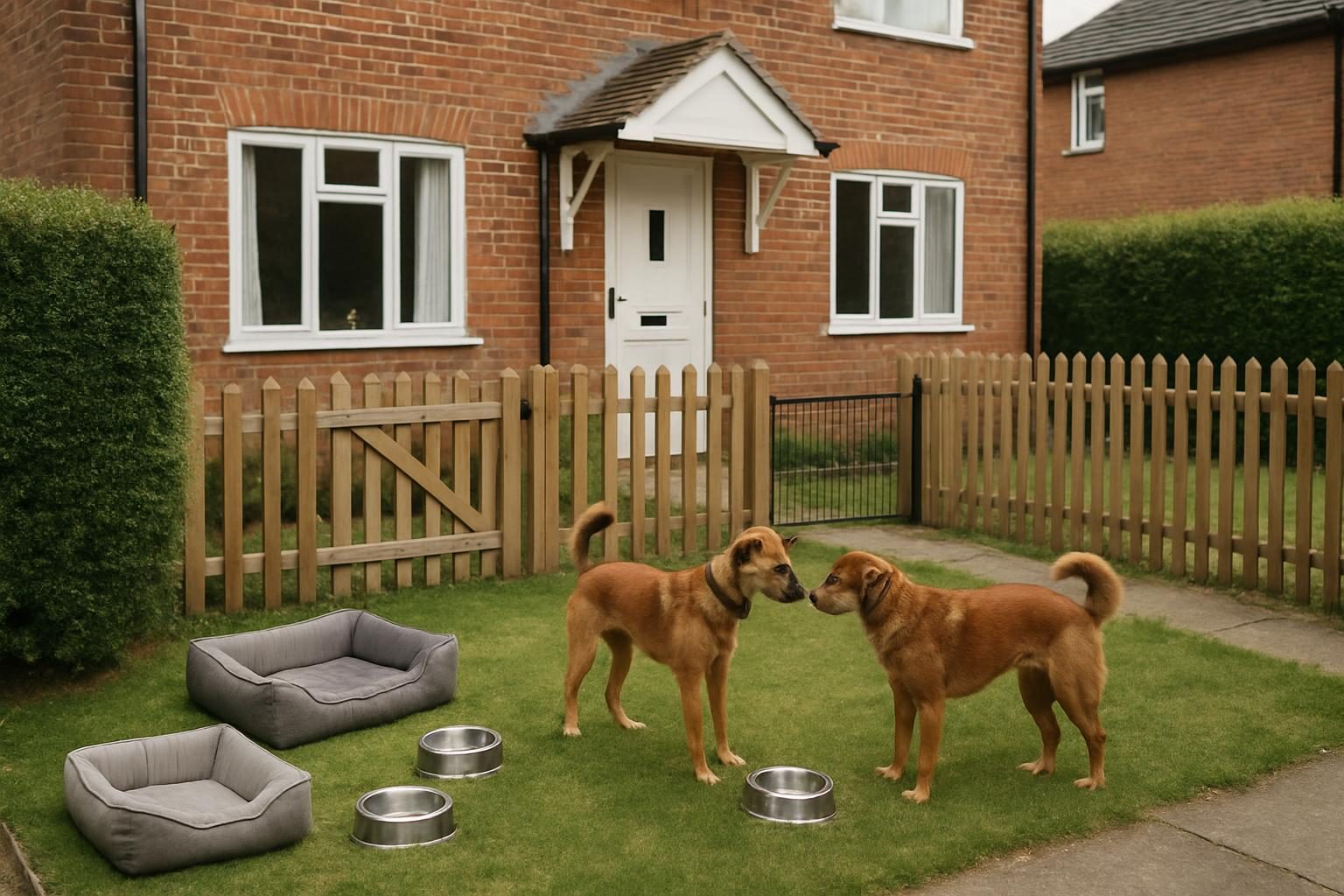
Direct answer: Yes. Often you must get written permission from your mortgage lender, landlord or managing agent and you must obtain a licence from your local council before running a home dog boarding business; whether formal consents are needed depends on your mortgage or lease, your freeholder or management company rules.
Who to check with first
Start with these four parties in this order: your mortgage lender, your landlord or freeholder/managing agent, your local council and your home insurer. Missing one of these checks is the most common reason new home boarders get into trouble.
Mortgage lender
Your mortgage deed can include a condition restricting business use of the property. Some lenders require written consent first. Always check with the lender in writing.
Landlord, freeholder or managing company
If you rent or live in a leasehold flat you may need landlord consent or permission from the freeholder or managing agent. Leasehold packs often include clauses about business use, nuisance and insurance - don’t assume verbal permission is enough.
Local council
Councils vary in what they require. Confirm with your specific local authority which team handles home boarding, animal welfare, noise, waste and food handling. You will need a dog-boarding licence in nearly every case.
Find out more about licensing with our Licensing Checklist.
Common permission problems to expect
- Mortgage clauses — lenders may restrict business activities, require written consent or change terms for increased risk.
- Leasehold restrictions — leases can forbid business use, trading from the property or anything likely to cause nuisance.
- Management company rules — blocks of flats and estates often have rules about deliveries, parking and noise that a boarding business can breach.
- Planning — running a business from home can amount to a change of use in planning terms, especially if customer visits, kennels or signage are involved.
- Insurance — home buildings or landlord policies often exclude business activity unless you get consent and add appropriate cover such as public liability and animal cover.
- Neighbours — noise, odour, extra vehicles and increased footfall are the usual complaints that can trigger enforcement or tenancy issues.
What official licences or permissions may be relevant
You will always need a home boarding licence, except in rare circumstances.
Other permissions may include planning permission for a change of use and checking business rates. Which of these applies depends on your nation and local authority. Always confirm with your council which specific permissions, licence conditions and teams apply. Local authority responsibilities are split differently across areas - environmental health, animal welfare teams and planning enforcement all have different remits. Check which function your council enforces.
Also check with environmental health about any requirements affecting animal waste, nuisance or food handling. Do not assume national human food hygiene rules do or do not apply to pet food without checking: local teams will advise the standard they expect and any registration or record keeping they require.
Permissions checklist and questions to ask lenders, landlords and your council (permissions)
Contractual and statutory must-checks (documents to obtain or confirm in writing)
- Mortgage deed or lender confirmation — written answer about business use and any required consent process.
- Tenancy agreement or lease — check clauses on business use, nuisance, insurance and alterations; get landlord or freeholder consent in writing if required.
- Freeholder/managing agent rules — written confirmation of any restrictions (parking, deliveries, use of communal areas).
- Local authority licence planning confirmation — confirm if a home boarding licence, planning change of use or registration is required and any conditions.
- Insurance confirmation — written acceptance from building insurer and proof of relevant business and public liability cover.
Recommended operational preparations (not statutory by default)
- Written business description for lender/landlord/council that explains hours, number of dogs, arrival and departure process and parking arrangements.
- Nuisance management plan for noise, odour and waste, plus contact details for a local out-of-hours vet.
- Vaccination and health record template for customers to complete.
- Complaints and incident logs to keep on file.
Copy-and-paste questions to ask
Questions for your mortgage lender
- “Does my mortgage deed permit running a dog boarding business from this property? If not, what is your written consent process and are there any conditions?”
- “Will running a dog boarding business affect my mortgage interest rate, terms or insurance requirements?”
Questions for your landlord, freeholder or managing agent
- “Does my tenancy agreement/lease permit running a dog boarding business from this property? Please confirm in writing and set out any conditions.”
- “Are there estate or management company rules about noise, parking, deliveries and use of communal areas that I should be aware of?”
Questions for your local council (planning, licensing, environmental health)
- “Does this council require a home boarding licence or any registration for boarding dogs from a private home at [postcode]?”
- “Will the proposed activity constitute a change of use for planning purposes given [number of dogs, customer visits, hours of operation]?”
- “Which council team enforces animal welfare, noise nuisance, waste and food handling for home dog boarding, and what standards or records do you expect?”
Records to keep — copies of written consents, licence applications, insurance documents, customer agreements, vaccination records, incident and complaints logs and correspondence with council or lender.
Insurance, tax and neighbour-relations: what to confirm before you start
Confirm with an insurer that your buildings and contents cover allows business activity and that you have appropriate public liability and animal liability cover. Ask if there are limits on numbers, breeds or levels of cover required by your council licence conditions. For tax, check with HMRC or a tax adviser whether to register as self-employed, how to declare income and whether business expenses are allowable. These matters depend on individual circumstances and nation-specific rules so get tailored advice.
Talk to neighbours early. Explain hours, collection arrangements and your complaint procedure. A short letter or leaflet and a direct contact number for small issues can head off disputes before they become enforcement problems.
Decision checklist: go / no-go actions and who to contact next
- Immediate stop — if your mortgage deed or lease expressly forbids business use with no consent option, do not proceed without professional advice.
- If consent is required — get written consent from the lender or landlord before advertising or accepting bookings.
- If the council requires a licence or planning permission — apply before trading and follow the licence conditions. If unsure, contact the council licensing and planning teams and ask for written confirmation.
- Insurance — obtain written confirmation from your insurer that cover is valid for your proposed activity before you accept any customers.
- If refused — you can ask for reasons in writing, adjust your business model to reduce impact, or consider an alternative premises better suited to boarding.
This article gives practical steps and questions to ask but it does not guarantee approval from lenders, landlords or councils. Rules differ between the UK nations and between local authorities. If in doubt take written confirmation from each party and consider legal or professional advice for complex lease, mortgage or planning issues. It’s tedious paperwork — but like a good vaccination schedule, it protects everyone involved.